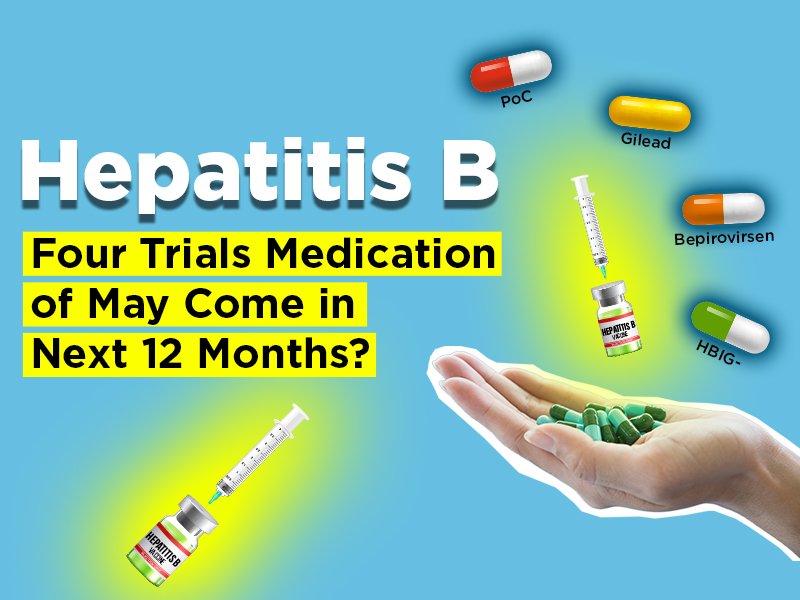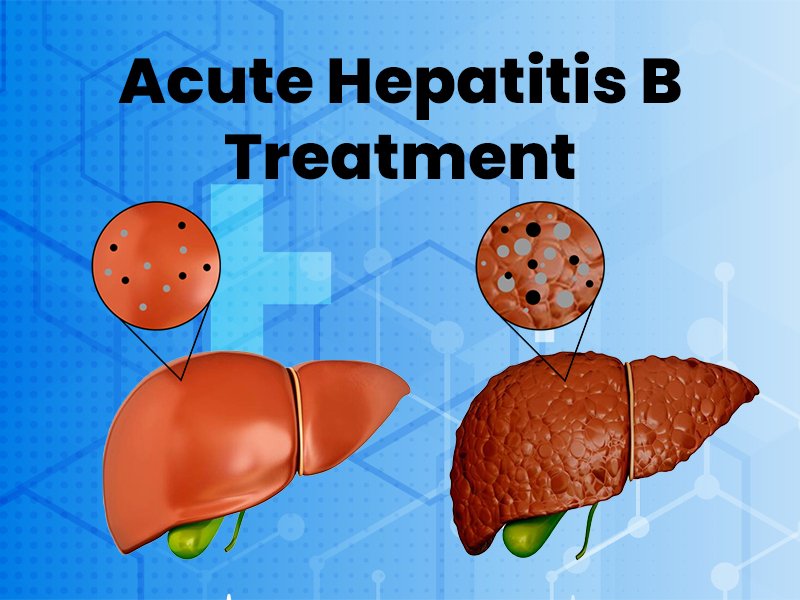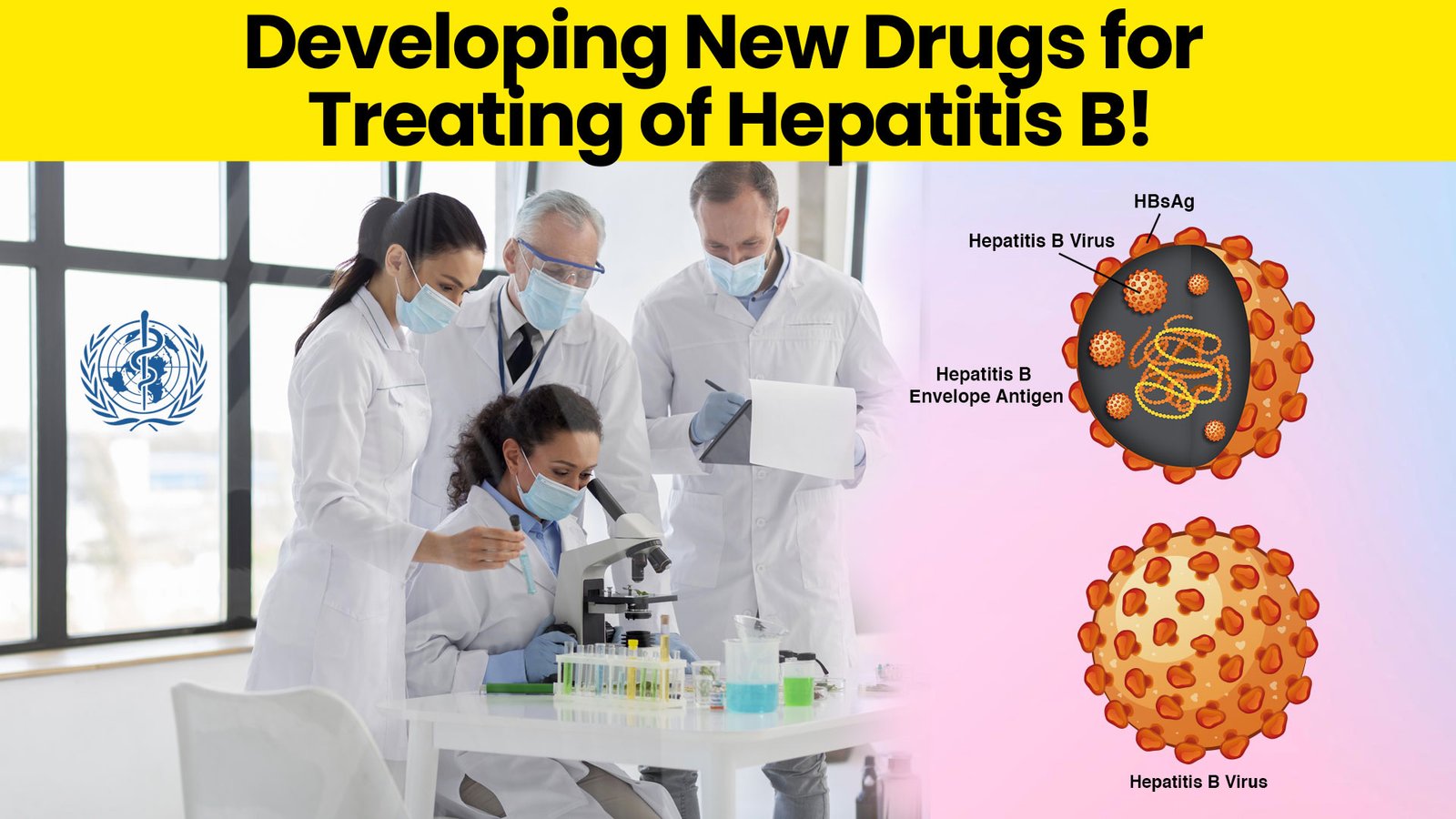
Development of a New Drug for The Treatment of Hepatitis B Virus
Hepatitis B Campaign: World Hepatitis Day 2025 – It’s time for action! The aim of World Hepatitis Day 2025 on 28 July was to mobilise action to eliminate viral hepatitis C and improve treatment of hepatitis B in Australia. Australia is Far Ahead in Terms of Treatment of Hepatitis B and C in The World. In Australia, there is strong public funding support for access to antiviral drugs, primary healthcare, antenatal care and hepatitis B vaccination for all. Australia is committed to completely eliminate hepatitis B and hepatitis C, considered a public health threat, by 2030. Around 300,000 people in Australia suffer from hepatitis B and C, putting them at increased risk of chronic liver disease and liver cancer.
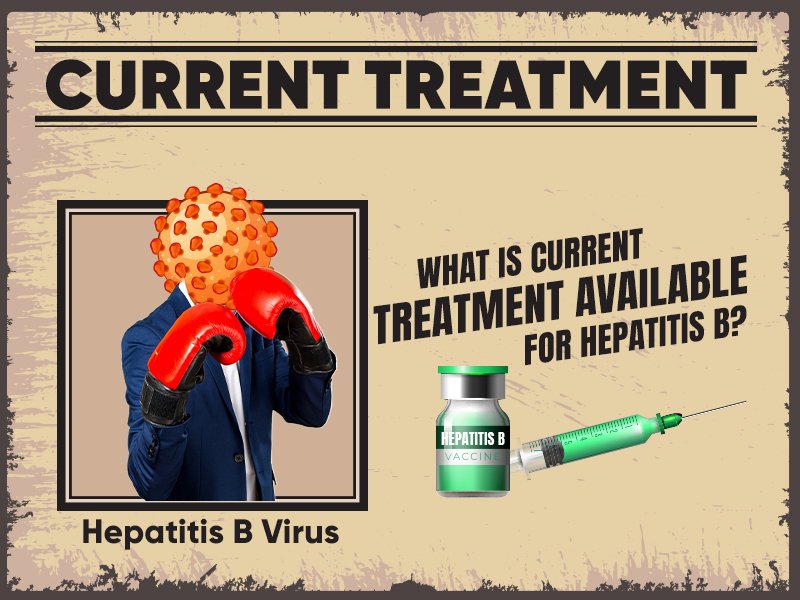
The good news is that an effective vaccine and treatment is available to prevent and manage chronic hepatitis B. However, there is no strong antiviral drug available to cure hepatitis C forever. Hepatitis B virus infection can occur with high or low levels of viral DNA in the blood, in the presence of the virus's e antigen, HBeAg.
If The HBeAg Level is High, the Antibody or Anti-HBe Level Will be Low The World Health Organization (WHO) reported that there are currently few antiviral drugs available in the market. Of these, effective drugs such as entecavir and tenofovir inhibit the replication of the hepatitis B virus. But these antiviral drugs, despite being able to reduce DNA levels in the blood, making them impossible to detect, are not able to completely eliminate the virus, that is, they are not able to provide a 100% cure, usually in 90% of cases. Therefore, patients have to undergo lifelong treatment. This is because these drugs are unable to eliminate cccDNA, which is called covalently closed circular DNA formed by the hepatitis B virus from liver cells.
WHO Specified, Our Aim is to Prevent the Formation of cccDNA or Block its Transcription
WHO stated that our aim is to prevent the formation of cccDNA or block its transcription, thereby effectively preventing viral replication forever. Therefore, on World Hepatitis Day 2025, WHO said that it is important to discover new drugs or combinations of drugs that can permanently eliminate hepatitis B virus DNA from the liver. Research and development efforts are ongoing to find new and more effective treatments for chronic hepatitis B (CHB), including direct-acting antivirals (DAAs) and immunomodulatory therapies. Currently, the main focus is on achieving 100% cure, which includes eliminating the virus or achieving long-term suppression without the need for lifelong medication and treatment.
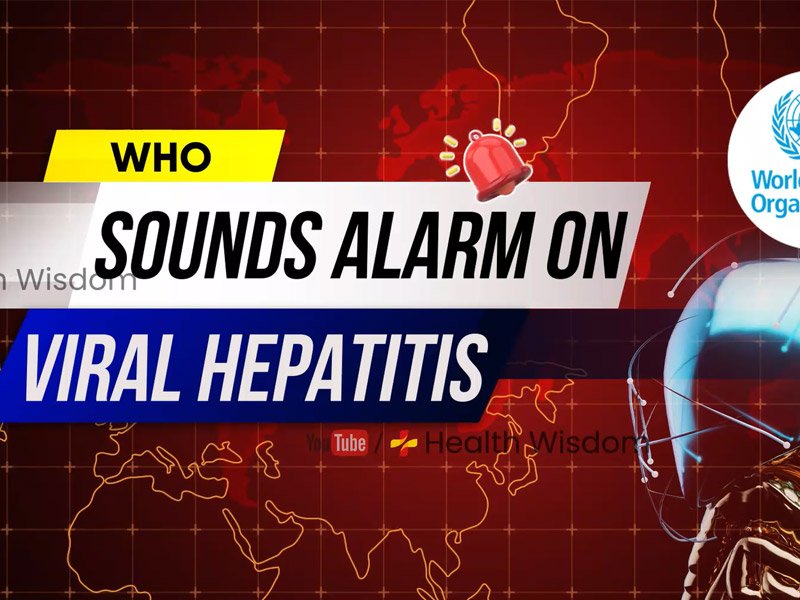
WHO further stated that the World Hepatitis Day 25 campaign is a reminder that we must act now to expand access, integrate care, and eliminate hepatitis as a public health problem by 2030.
So, what do you think about this and what should be done, please share in your comment box. In this video we will talk about what happened in the World Hepatitis Day 2025 campaign and what the World Health Organization said. What is the future course of action for the treatment of hepatitis B. This is explained in the video, please watch this video till the end.